
How It Works
How a hydraulic forklift scale works
Every hydraulic forklift lifts its load with oil pressure in the mast cylinder — and that pressure rises and falls with the weight on the forks. Forklift Scale Systems reads that pressure with a sensor and turns it into a calibrated weight on the display. No load cells, no special forks.
The principle
Pressure in, weight out.
The lift cylinder needs more oil pressure to hold a heavier load. Forklift Scale Systems measures that pressure and, once calibrated against a known weight, converts every reading into kilograms.
1
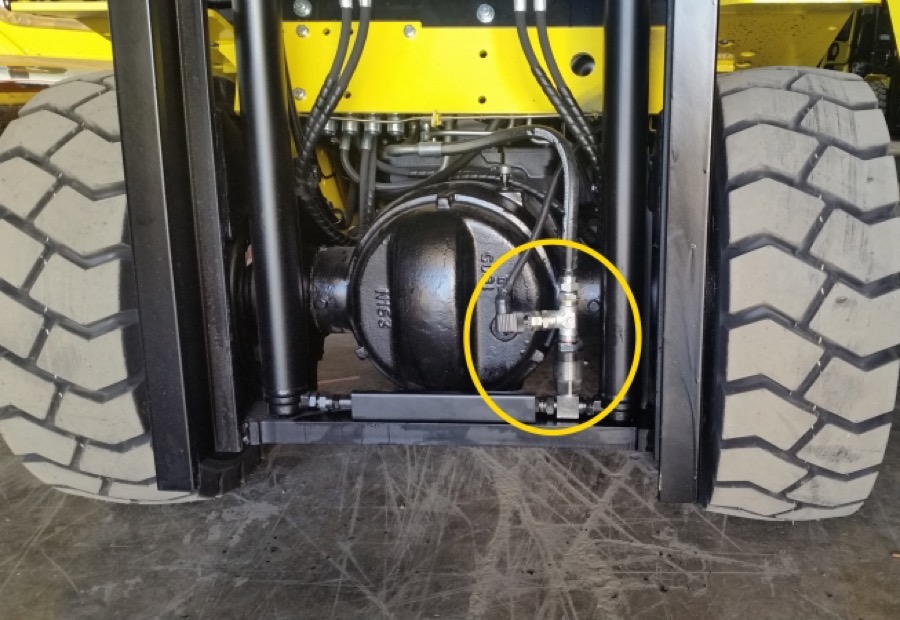
The sensor taps the hydraulic line
A pressure sensor is installed on the lift cylinder's oil inlet via a T-fitting. The forks and mast are untouched, so the forklift keeps its full capacity.
2
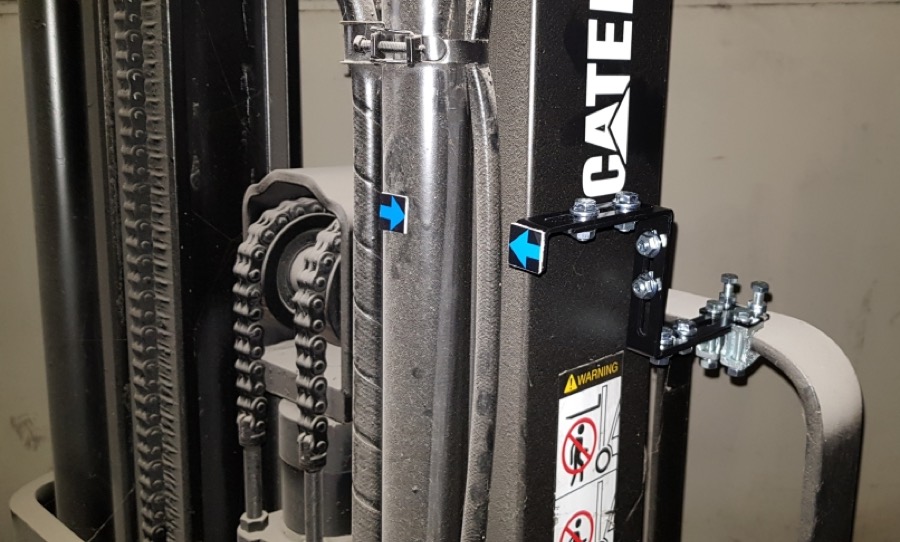
The operator lifts to a marked height
Simple markers show the same reference height each time. Weighing at a consistent height is what keeps repeat readings reliable.
3
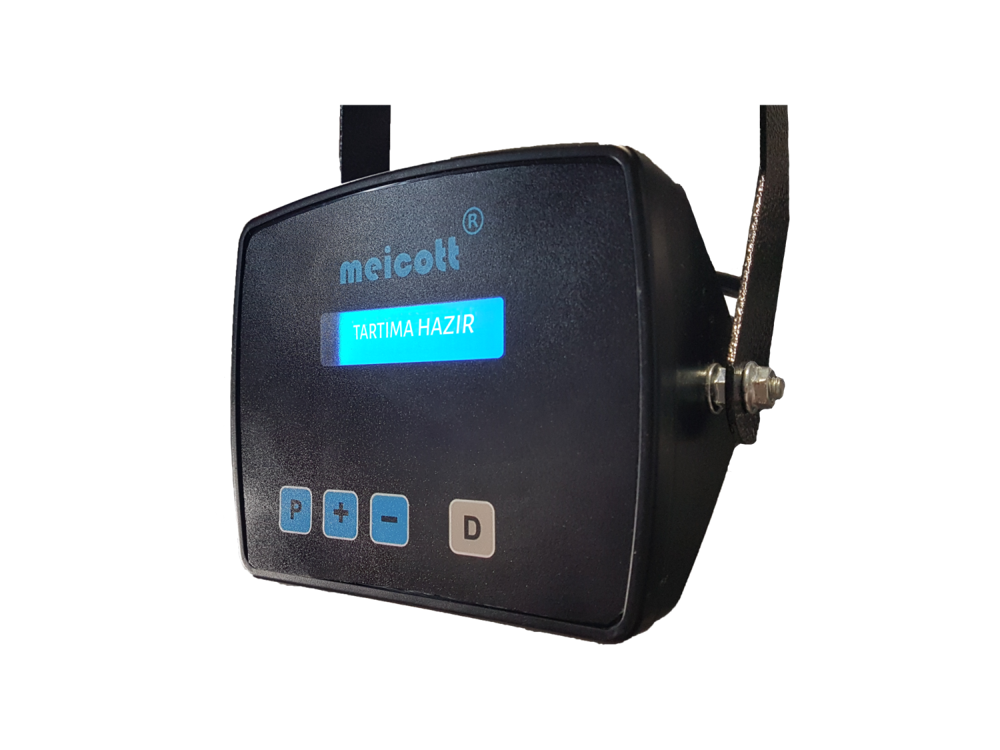
The display shows the weight
The calibrated indicator converts the pressure signal into a weight and shows it instantly — no walk to a floor scale.
Install video
See it installed and weighing on site.
A short field video of the system mounted on a forklift and weighing a real load.
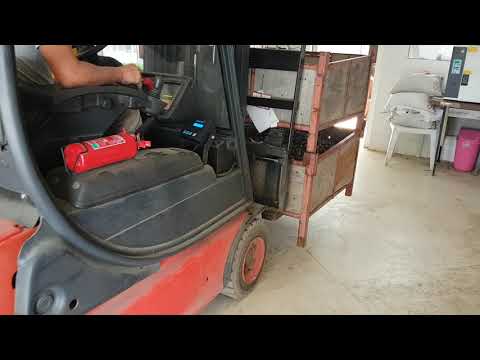
On-board weighing in the field
The operator checks the load weight on the forks during handling — no detour, no second handling step.
Warehouse load control
Checking pallet and outbound loads before they reach the truck, straight from the cab.
Setup steps
A one-time setup, then you just weigh.
1
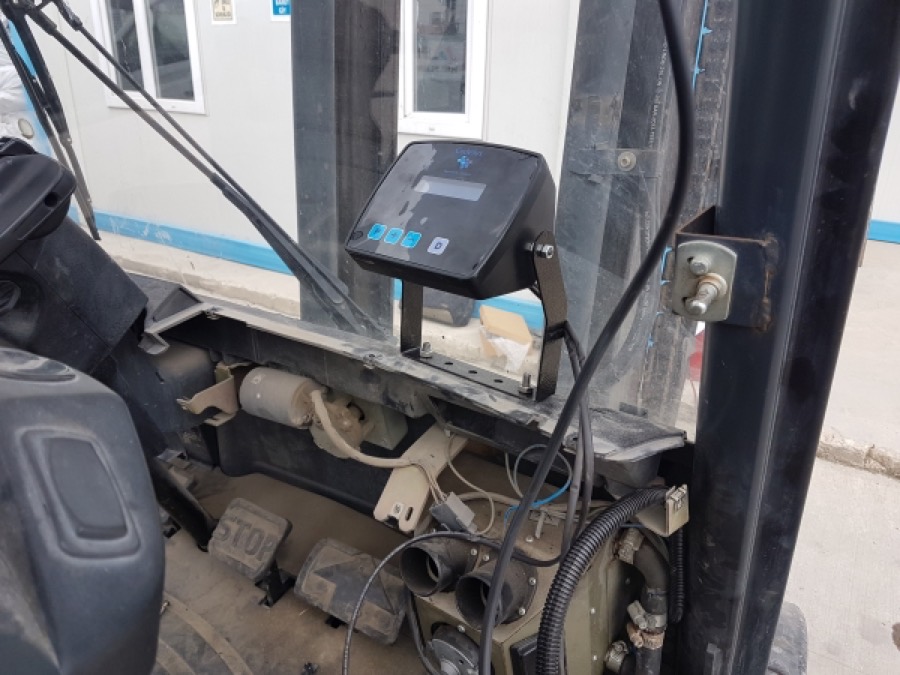
Mount the display in the cab
2
Fit the pressure sensor to the hydraulic line
3
Mark the reference weighing height
4
Wire power and signal
5
Tare to set the zero reference
6
Calibrate with a known weight
Not legal for trade. Accuracy depends on a clean install and consistent weighing height. The system is intended for in-process weighing and overload prevention.
Request a Quote
Ready to add on-board weighing?
Send your forklift make, model and rated capacity and we will confirm hydraulic compatibility and recommend the right model.